
Dr. Alisha Eisenberg·New·Calgary, AB
Endometriosis: The condition we're still getting wrong
It affects 1 in 10 women, yet remains one of the most misunderstood, delayed, and dismissed diagnoses in modern medicine. A look at why, and where care can expand.

Endometriosis is one of the most common gynecological conditions in the world. It affects roughly 1 in 10 women. And yet, it remains one of the most misunderstood, delayed, and dismissed diagnoses in modern medicine.
That disconnect should bother more people than it does. Because this isn't just about painful periods. It's about a condition that can take years to be taken seriously. It's about people being told their pain is normal when it clearly isn't. And it's about a system that still struggles to recognize something that affects millions.
What endometriosis is, Endometriosis happens when tissue similar to the lining of the uterus grows outside of it. That tissue still responds to hormones. It still thickens, breaks down, and bleeds. The difference is that it has nowhere to go. So instead, it creates inflammation, irritation, and in many cases, significant pain. It can grow on the ovaries, fallopian tubes, pelvic lining, and even beyond the reproductive system in more severe cases. And while the mechanism sounds straightforward, the experience is anything but.
Why the conversation is broken, On paper, this is a well-known condition. In reality, most people with endometriosis spend years trying to get diagnosed. The average delay is around 6 to 7 years. Some people see multiple doctors before anyone connects the dots. Others are misdiagnosed entirely. This isn't because the condition is rare. It's because the system still normalizes symptoms that shouldn't be normalized. Severe pain. Missing work or school. Pain with sex. Digestive issues. Fatigue. These get brushed off as "just part of being a woman." They're not.
It's not just "bad periods", Pain is the most common symptom, but it's rarely limited to menstruation. Endometriosis can look like pelvic pain that doesn't follow a clean cycle, pain with bowel movements or urination, lower back or abdominal pain, pain during or after sex, chronic fatigue, and fertility challenges. Some people function through it. Others can't. Neither experience makes it less real.
The part no one talks about, Endometriosis doesn't just affect the body. It affects how someone moves through their life. There's the unpredictability, the cancellations, the planning everything around symptoms. There's the frustration of not being believed. And there's the mental load that comes with living in a body that doesn't feel reliable.
Why diagnosis is still so difficult, There isn't a simple test. The only definitive diagnosis is surgical. That alone creates a barrier, but it's not the only one. Symptoms overlap with other conditions like IBS, pelvic floor dysfunction, or hormonal disorders. And because pain is subjective, it's easy for it to be minimized. So people adapt. They push through. They normalize it themselves. Until they can't.
What needs to change, Endometriosis doesn't need more awareness in the vague sense. It needs better conversations. Earlier recognition of symptoms, less dismissal of pain, more nuanced treatment approaches, and a broader understanding that this is not just a reproductive issue. It's a whole-body condition.
Where care can expand, Medical treatment matters. Hormonal therapy, pain management, and surgery all have their place. But many people are also looking for ways to support their body alongside that. This is where acupuncture, herbal medicine, and a more systems-based approach can help. From a TCM perspective, endometriosis often reflects patterns like Qi stagnation (a kinked hose), Blood stasis, and underlying deficiency layered underneath chronic tension. That framework doesn't replace a diagnosis, but it can explain why symptoms fluctuate, why stress makes things worse, and why treating only one layer often isn't enough.
The takeaway, Endometriosis is common. It's complex. And it's still being handled poorly in a lot of cases. If something feels off, it probably is. Pain that disrupts your life is not something to normalize, and the goal shouldn't just be getting a diagnosis, it should be actually feeling better.
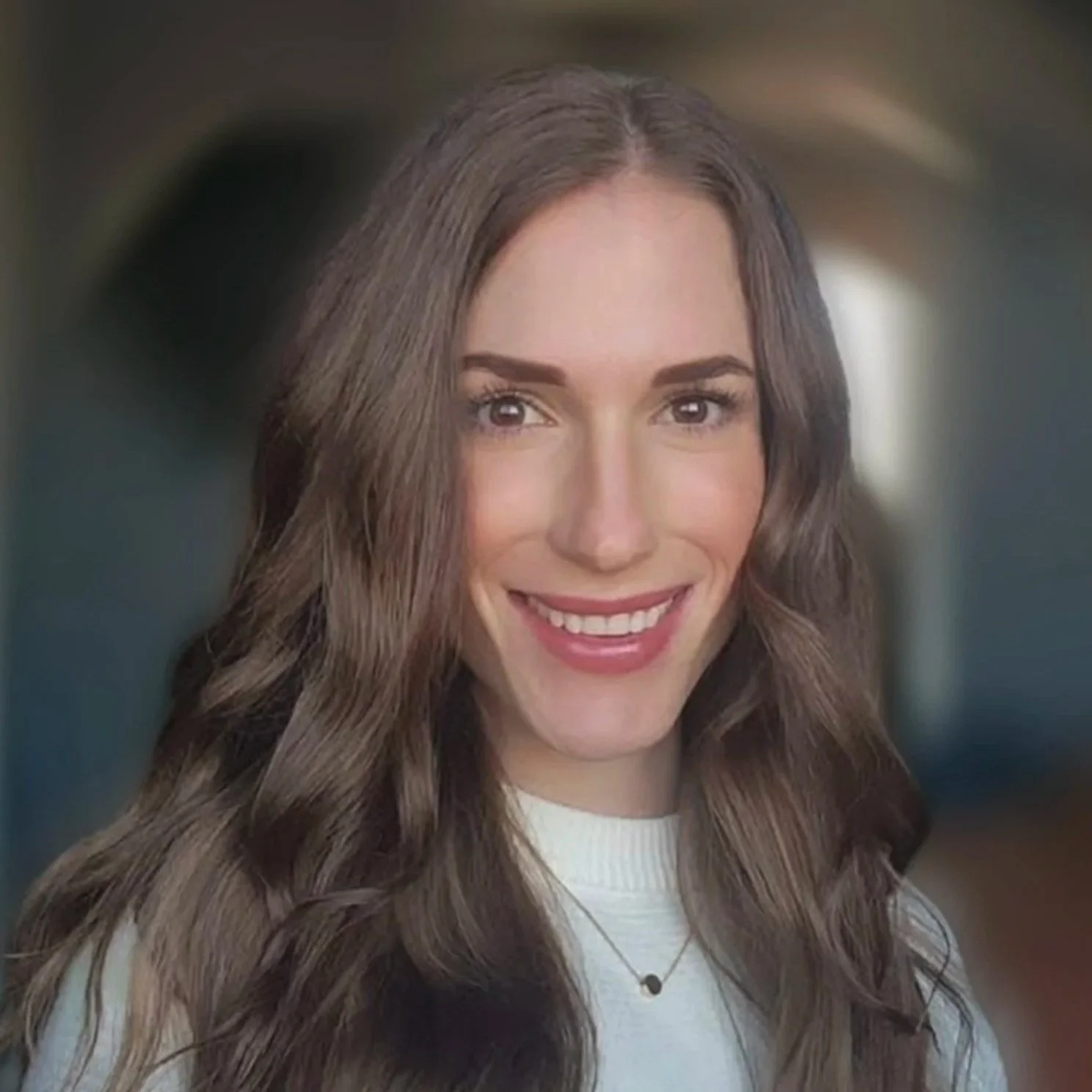
About the Author
Dr. Alisha Eisenberg, R.Ac.
Alisha is a Registered Acupuncturist practicing in Calgary, Alberta. Her work focuses on chronic pain, mental health, women's health, and the quiet places where those things overlap. She practices out of Miceli Family Chiropractic in southeast Calgary, where she sees patients who are looking for a more thoughtful, root-cause approach to their care.
More About Alisha