
About
Dr. Alisha Eisenberg, R.Ac.
A thoughtful, individualized approach to acupuncture, built around the person, not just the symptom.
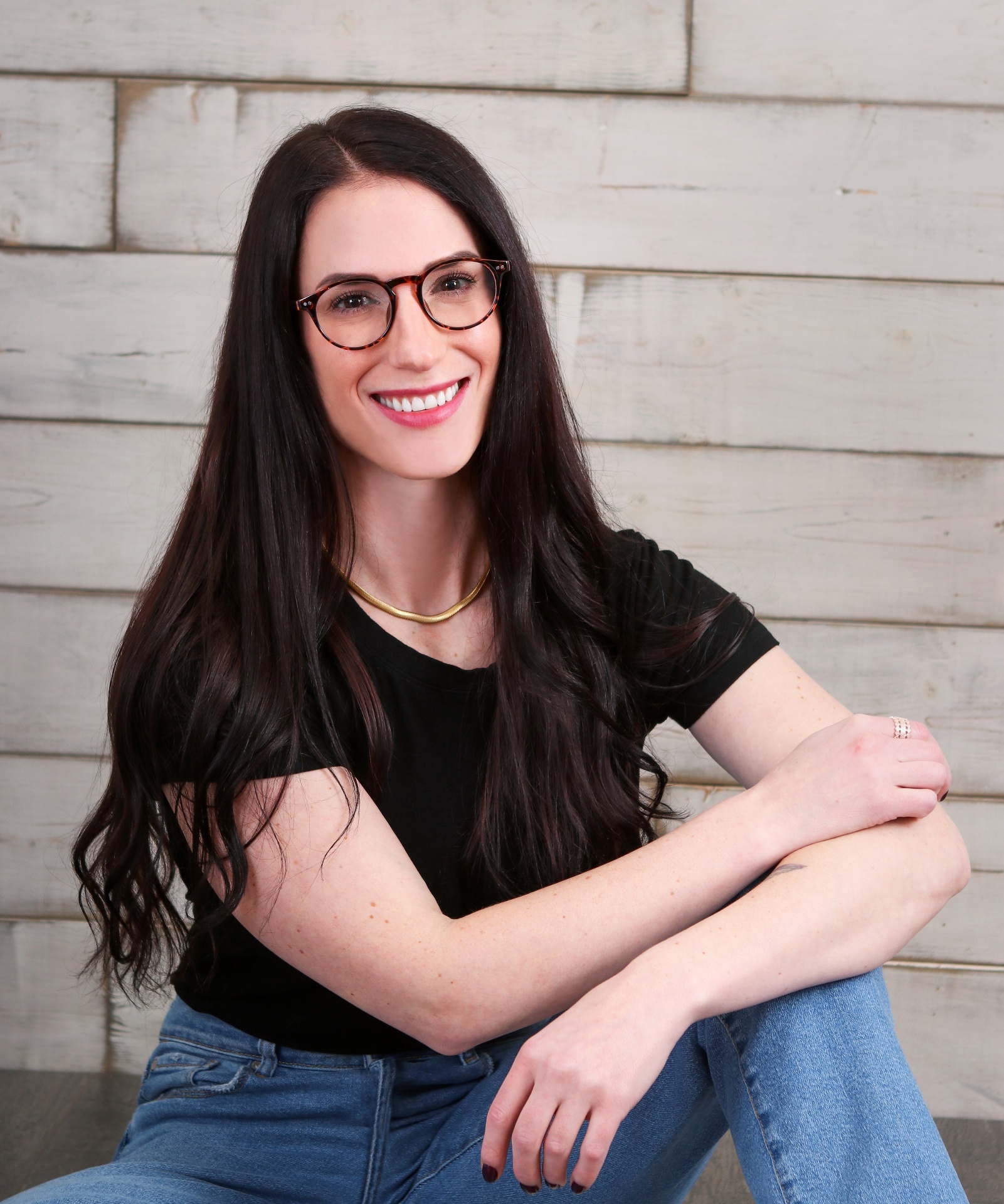
My Philosophy
I believe people have more capacity to heal themselves than they often realize. Sometimes the body just needs a nudge in the right direction. Acupuncture helps create the right conditions for recovery to unfold naturally, allowing the body to restore balance, ease pain, and regulate itself more effectively day to day.
I don't see the body as a collection of isolated problems. Everything is connected. When something starts to go wrong and isn't addressed early, it creates a ripple effect throughout the system. My role is to help guide the body back into a state where it can function the way it's supposed to.
My Approach
Intuitive, but structured.
I like to talk, and I make sure people understand what's happening with their body and what to expect from treatment. My goal is that first-time clients leave without unanswered questions.
I go over treatment timelines early on so people know what they're committing to. I typically break care into two phases:
Phase One
Active Treatment
Where we focus on moving and nourishing the body. Treatments are more frequent, usually back-to-back sessions over 4–6 weeks depending on the condition.
Phase Two
Maintenance
Once things stabilize, we transition into maintenance , typically twice a month, eventually tapering to once a month.
This structure shifts depending on the individual. No two people are the same.
How I Explain Acupuncture
Simple. Practical.
We have meridians throughout the body. When one starts to malfunction, it doesn't stay isolated, it affects other systems if it isn't addressed early enough.
Acute conditions
Inflammation is present, but it's doing its job. The body is actively trying to heal.
Chronic conditions
Inflammation no longer serves a purpose. It becomes part of the problem. The brain starts to treat the area as a threat.
At that point, the brain can start reducing blood flow to the area through vasoconstriction. This is where things get stuck. Acupuncture helps reverse that process, it signals the body to vasodilate, increase circulation, and restore communication between the brain and the affected area.
It's not really a shoulder problem or a knee problem. It's a brain problem. We're working on restoring the connection.
Focus · Pain & Mental Health
Pain and mental health are not separate issues.
The same neurological pathways are involved when someone experiences emotional pain and physical pain. When someone is dealing with chronic pain, there is almost always a mental and emotional component that develops alongside it, and the reverse is also true.
This is why I treat both together.
Chronic inflammation is also a major factor in long-term disease. Part of my approach is helping patients understand how their lifestyle contributes to inflammation levels, with suggestions that are realistic for their stress, their life, and what they're truly capable of changing.

Focus · Women's Health
For the women who feel like they've run out of options.
A large part of my practice involves women's health. Period pain, irregular cycles, endometriosis, and ongoing hormonal issues are often managed with one default solution, and many women are told that if birth control doesn't work, there's very little else available. Some end up considering surgical options because they aren't getting the support they need.
There is more that can be done.
I focus on working with the body instead of overriding it. The goal is to regulate, support, and reduce the severity of what the body is going through, so that symptoms become manageable and, in many cases, significantly improved.
Western medicine absolutely has its place, especially in acute and critical situations. But for many people, long-term reliance on medication becomes a cycle where one issue leads to another. I provide another option that looks at the underlying pattern instead of just managing symptoms.
How I Treat
Imaging. Reflection. Pattern.
A common assumption is that needles go directly where the pain is. Sometimes they do, but that's not my primary approach. Needles are often placed in the hands, wrists, feet, and ankles. These areas correspond to the affected regions through meridian relationships.
If a meridian is already weak or depleted, needling directly into it isn't always effective. Instead, I use its paired or supporting channels to influence it indirectly and more effectively.
Treatment is also based on the person's constitution:
Deficient / depleted
Lighter, more supportive treatment. Heavy stimulation isn't what the body needs.
Excess / strong constitution
Often benefits from stronger stimulation and more needles.
Alongside acupuncture, I incorporate:
- Heat therapy
- Cupping
- Gua sha
- Motor point release
- Herbal recommendations
- Lifestyle discussion
How I Formulate a Diagnosis
I don't just look at the main complaint. I look at patterns in the body as a whole.
That starts with your intake form, but it doesn't stop there. I go through your full health history, current symptoms (even ones that don't seem related), sleep patterns, digestion, stress levels, energy throughout the day, and your menstrual cycle if applicable.
From there, I also assess:
Tongue
Information about circulation, fluid balance, and internal patterns.
Pulse
How different systems are functioning, whether things are deficient, stagnant, or excessive.
All of it gets combined into a working diagnosis based on Eastern medicine principles, explained back to you in a way that makes sense.
What You Can Expect
From the moment you arrive, the goal is to create a space where you can truly relax.
You'll be guided through what's happening, what the plan is, and what the timeline looks like. There's no guesswork.
I make sure patients understand:
- Your current baseline
- The initial focus
- Your role in the process
- How treatment evolves
Treatment doesn't stop when the session ends.
I review patient files outside of appointments to make sure I'm providing the best care possible and adjusting plans when needed. People consistently appreciate how detailed and attentive the process is.
Begin
If you're not sure where to start, that's completely fine.
We'll figure it out together.
First-time patients, please call to book