
Dr. Alisha Eisenberg·Featured·Calgary, AB
Bridging Minds and Meridians
Exploring the link between chronic pain and mental health through both Western and Chinese medicine, and why treating them as separate problems keeps people stuck.
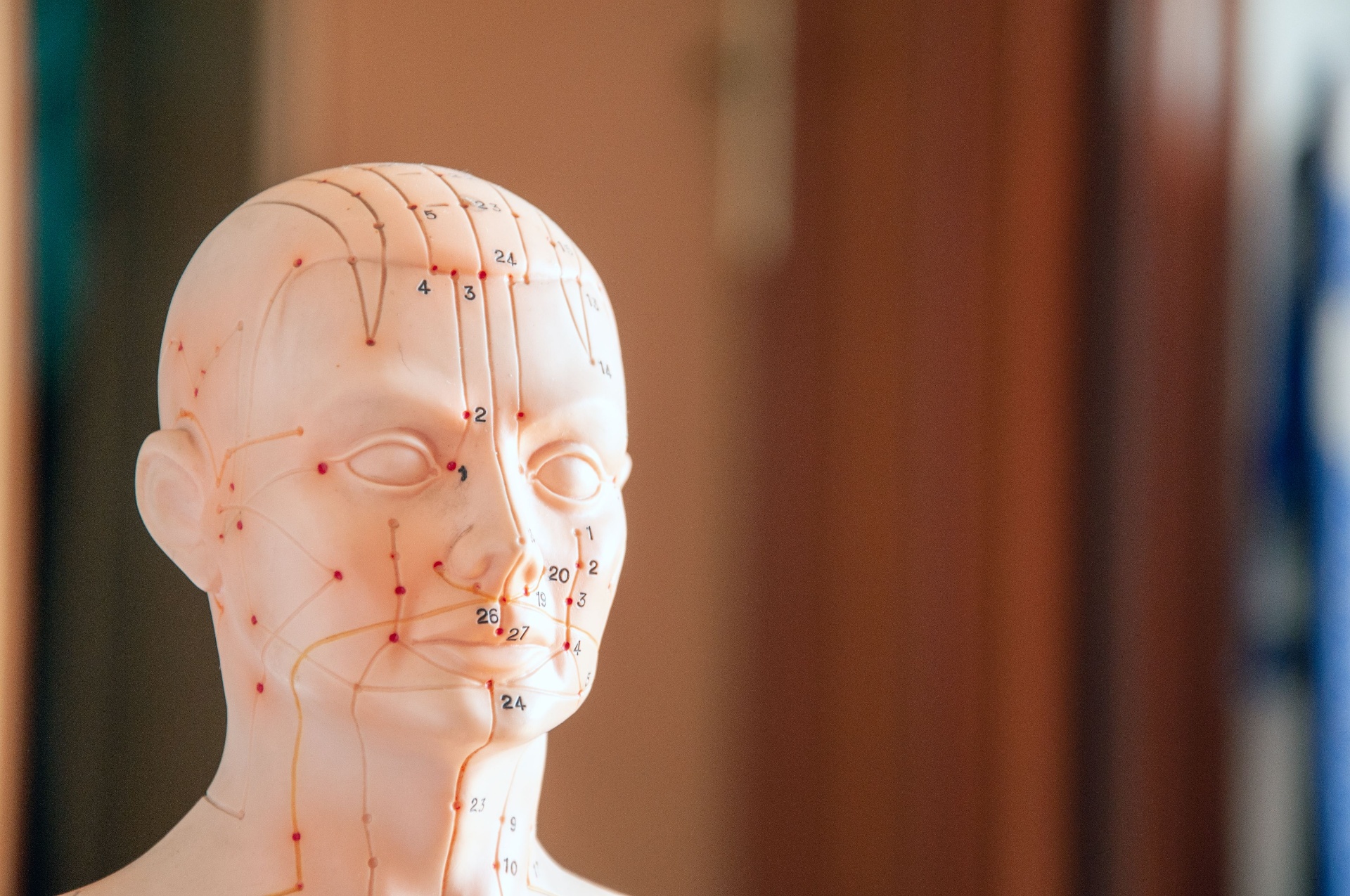
In our Calgary clinic, the patients who walk through the door rarely arrive with one isolated complaint. The shoulder that won't release is tied to the jaw that clenches at night, which is tied to a nervous system that hasn't truly rested in years. Western medicine often treats these as separate files. Chinese medicine has always understood them as one conversation.
Chronic pain reshapes the brain. The longer a signal of threat repeats, the more the nervous system learns to expect it, until the body begins guarding a wound that has long since healed. This is why "the spot that hurts" is rarely the spot that needs the most attention. The pattern lives upstream, in how the brain is interpreting safety.
Acupuncture works on this exact intersection. The needles aren't chasing pain; they're giving the nervous system new information. Distal points along the meridians ask the brain to re-evaluate, to soften its grip on the area it has been protecting. Over a series of sessions, the protective pattern quiets, and with it, the mood, the sleep, and the sense of being trapped in one's own body all begin to shift together.
This is the work I love most. Not chasing symptoms, but helping the whole system remember a more regulated baseline. If you've been told your pain is "just stress," or that your anxiety has nothing to do with your back, there is another conversation worth having.

About the Author
Dr. Alisha Eisenberg, R.Ac.
Alisha is a Registered Acupuncturist practicing in Calgary, Alberta. Her work focuses on chronic pain, mental health, women's health, and the quiet places where those things overlap. She practices out of Miceli Family Chiropractic in southeast Calgary, where she sees patients who are looking for a more thoughtful, root-cause approach to their care.
More About Alisha